DONG HO
Archive.
Five hundred years of woodcut wit, rebuilt for modern streetwear and living. Tranh dan gian Dong Ho is Vietnam’s 500-year-old woodblock printmaking heritage, born on the banks of the Duong River in Bac Ninh and recognized by UNESCO in need of urgent safeguarding. We extracted the master knife lines, the natural mineral pigments, and the satirical village fables—translating them into drop-shoulder streetwear, embroidered headwear, studio ceramics, packaged textiles, and archival gallery framing.
A five-hundred-year-old graphic powerhouse trapped between dying artisan dynasties and ten-cent tourist photocopies.
For half a millennium, the families of Dong Ho village carved the soul of northern Vietnam into seasoned jackfruit timber. They printed by hand on giay diep—indigenous mulberry paper coated with ground river scallop shells, giving each sheet an unmistakable pearlescent shimmer. Their inks were gathered from the landscape: charcoal from burnt bamboo leaves, bright yellow from gardenia fruit, cinnabar red from gravel ochre, and deep verdigris from copper rust.
By the 21st century, genuine woodblock carvers had dwindled to fewer than three master households. The art form was dying of two separate diseases: commodification as cheap tourist souvenirs printed on flimsy offset paper, or consignment to sterile museum cases where nobody under thirty would ever touch it.
The brief was not to preserve Dong Ho as a fragile antique. The brief was to restore its bite. To prove that these paintings were never polite museum relics—they were the razor-sharp satirical street art of 16th-century Vietnam.
Folk satire belongs on the street, not locked behind museum glass.
We refused the typical cultural trap: no apologetic charity tone, no faux-vintage yellowing, and no decorative “ethnic” styling. We treated the woodcut lines exactly as we would treat an archival Keith Haring or Peter Saville print: with supreme typographic restraint, premium substrate weight, and contemporary silhouettes.
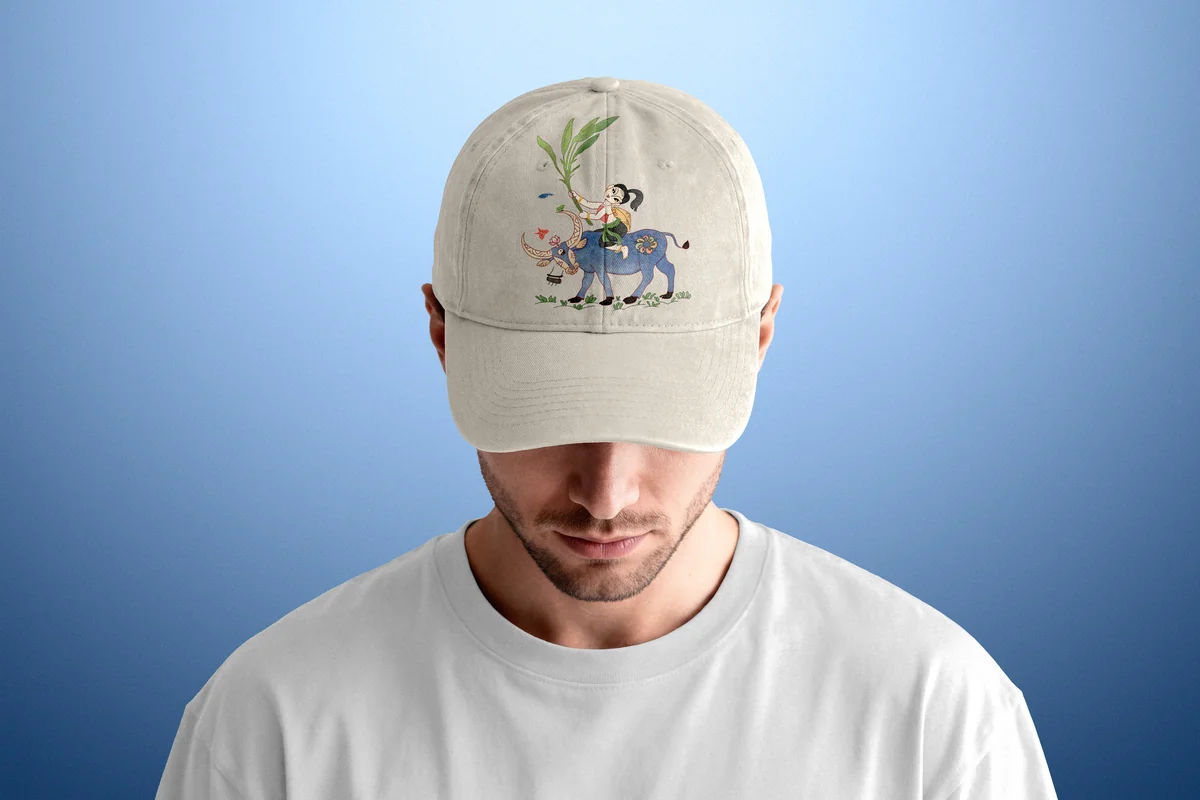
We chose the garments the youth culture actually wears in Sydney, Melbourne, and Saigon: oversized 300gsm drop-shoulder tees, heavy 460gsm fleece hoodies in rich forest green, and unstructured enzyme-washed cotton twill caps. The graphics are applied using breathable water-based discharge inks that sink directly into the combed cotton fibre rather than sitting plastic on top—honouring the way woodblock pigment soaked into crushed seashell paper five centuries ago.
What we rejected: Digital vector autotrace. Autotracing softens the chisel marks and rounds off the knife edge. Every single master print in this collection was hand-restored node by node by our artwork team to preserve the raw, percussive bite of the jackfruit woodblock.
Five iconic allegories, one uncompromising physical system.
The collection spans five foundational woodcuts from the northern canon, each chosen for its enduring narrative wit and graphic tension:
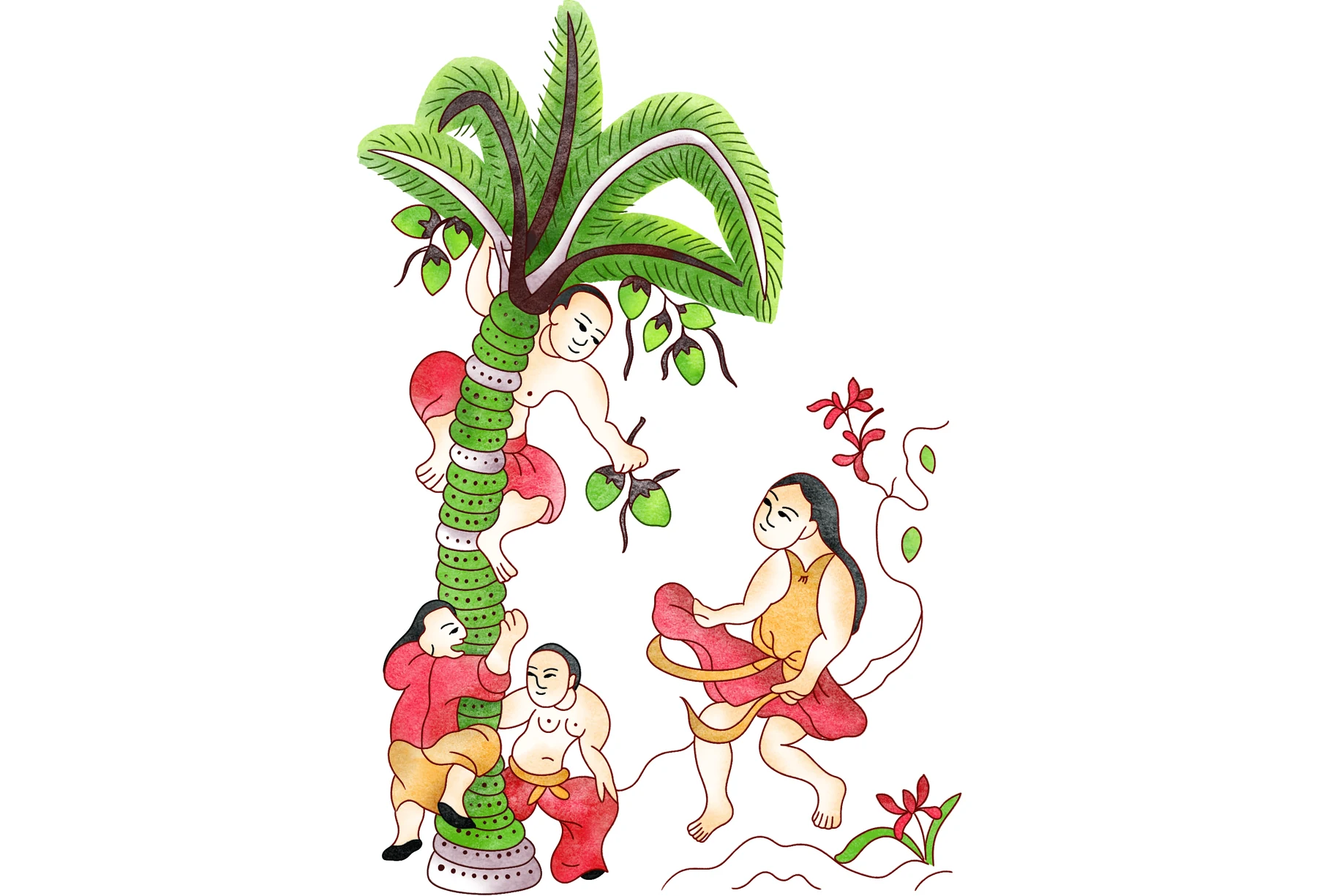
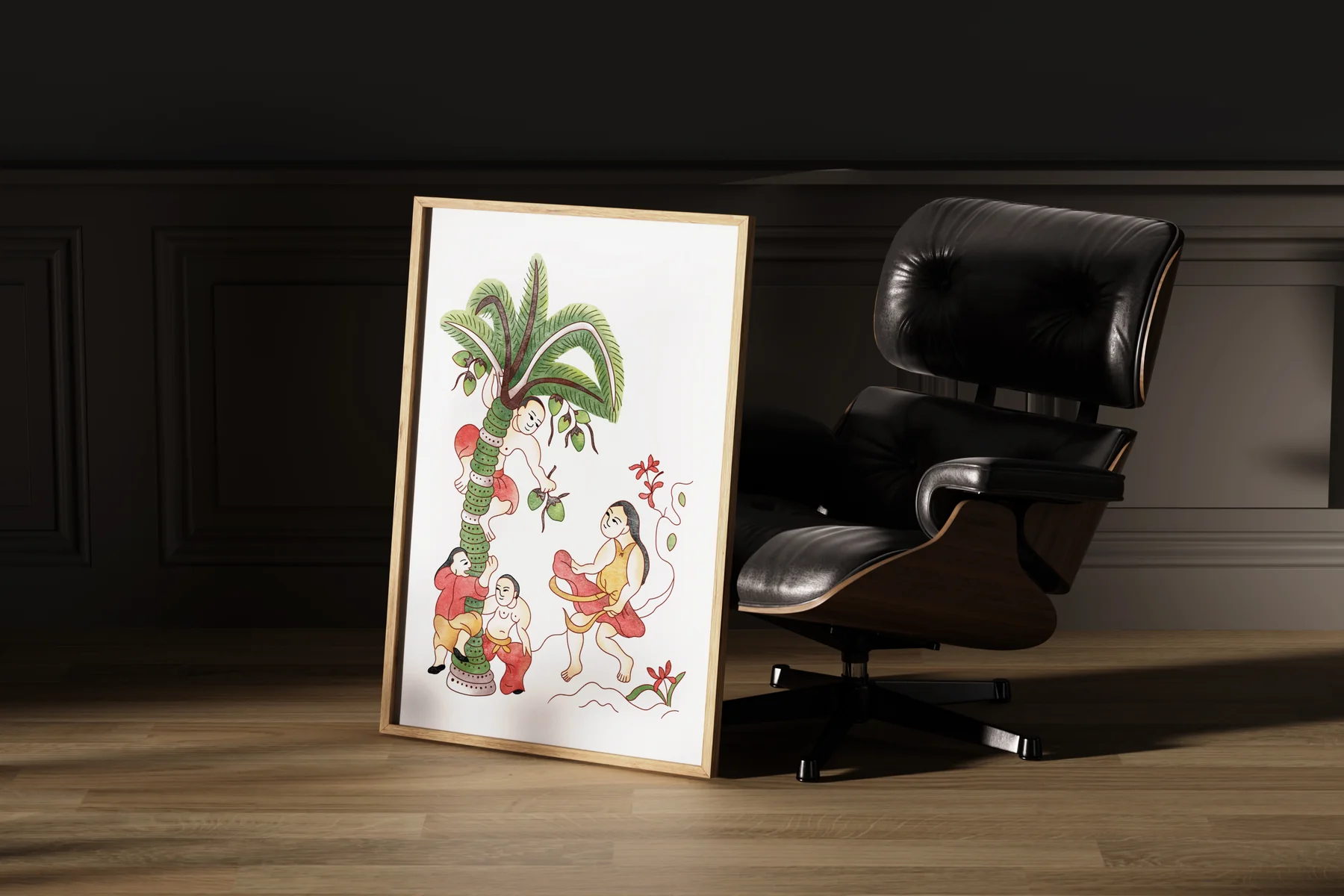
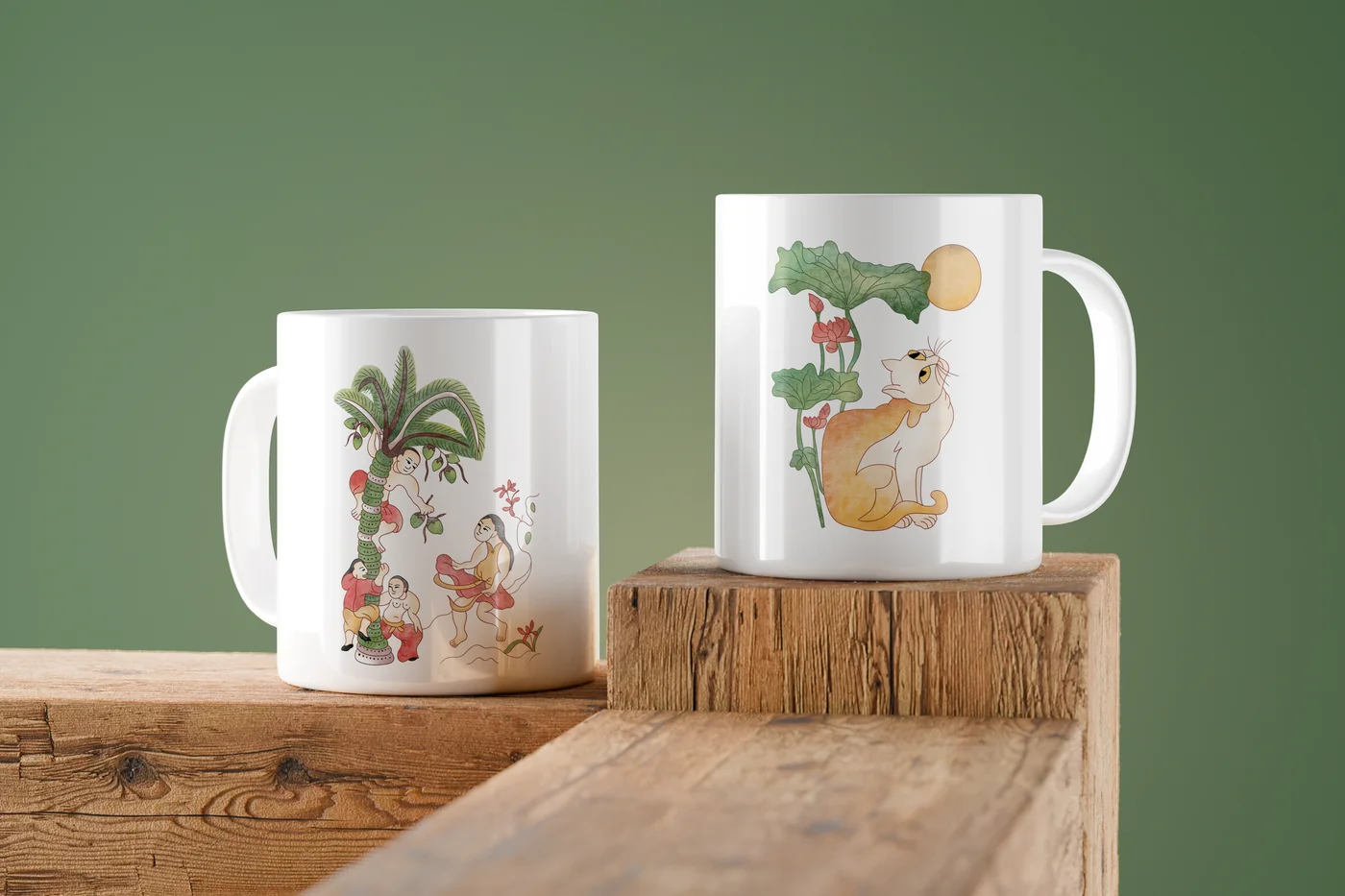
01 / Hung Dua (Catching Coconuts): The quintessential northern pastoral courtship comedy. The youth climbs the leaning palm trunk to shake coconuts into his lover’s billowed skirt below. Dynamic vertical tension, translated into museum-grade 2:3 architectural framing and slipcast studio ceramics.
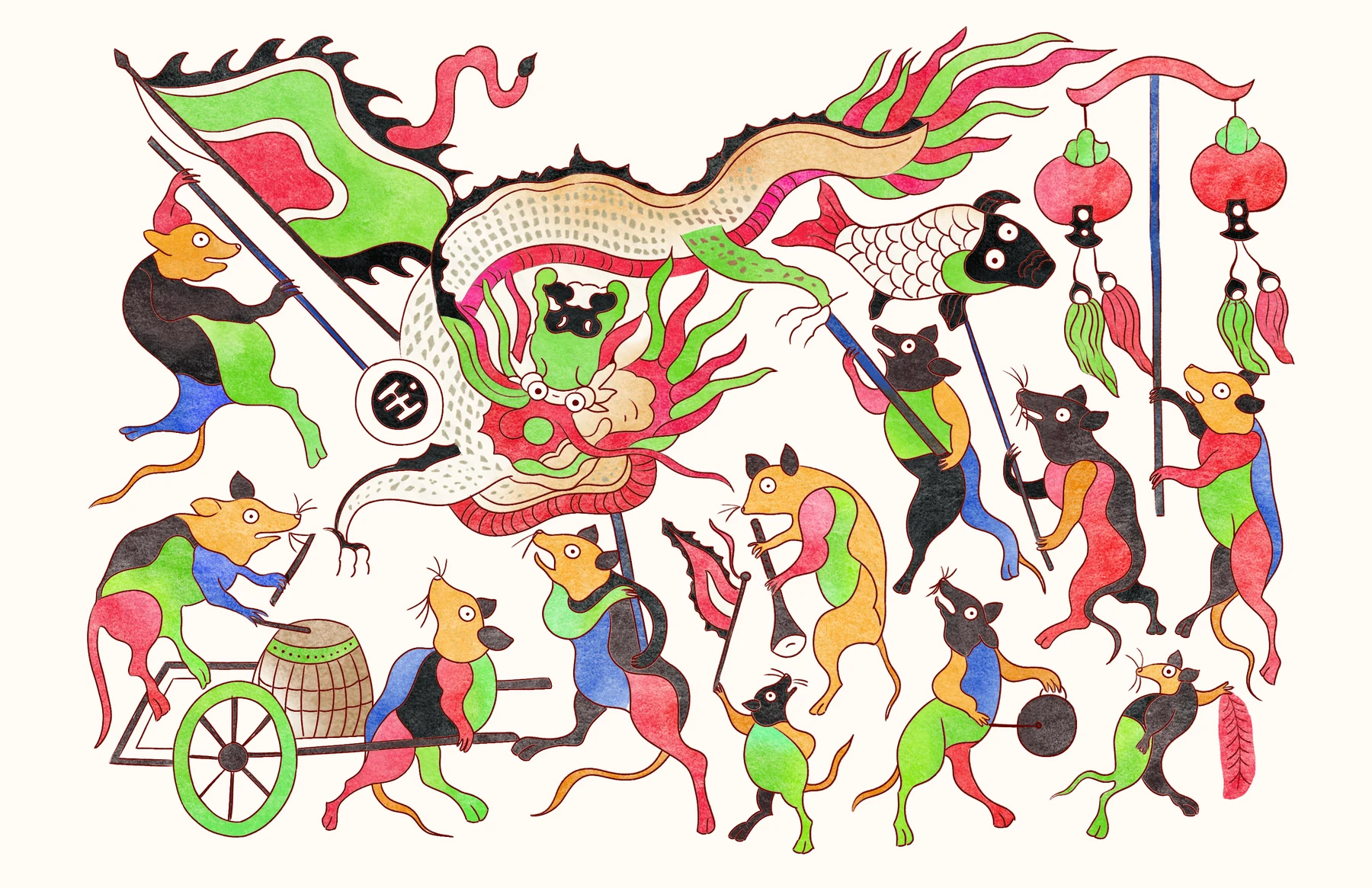
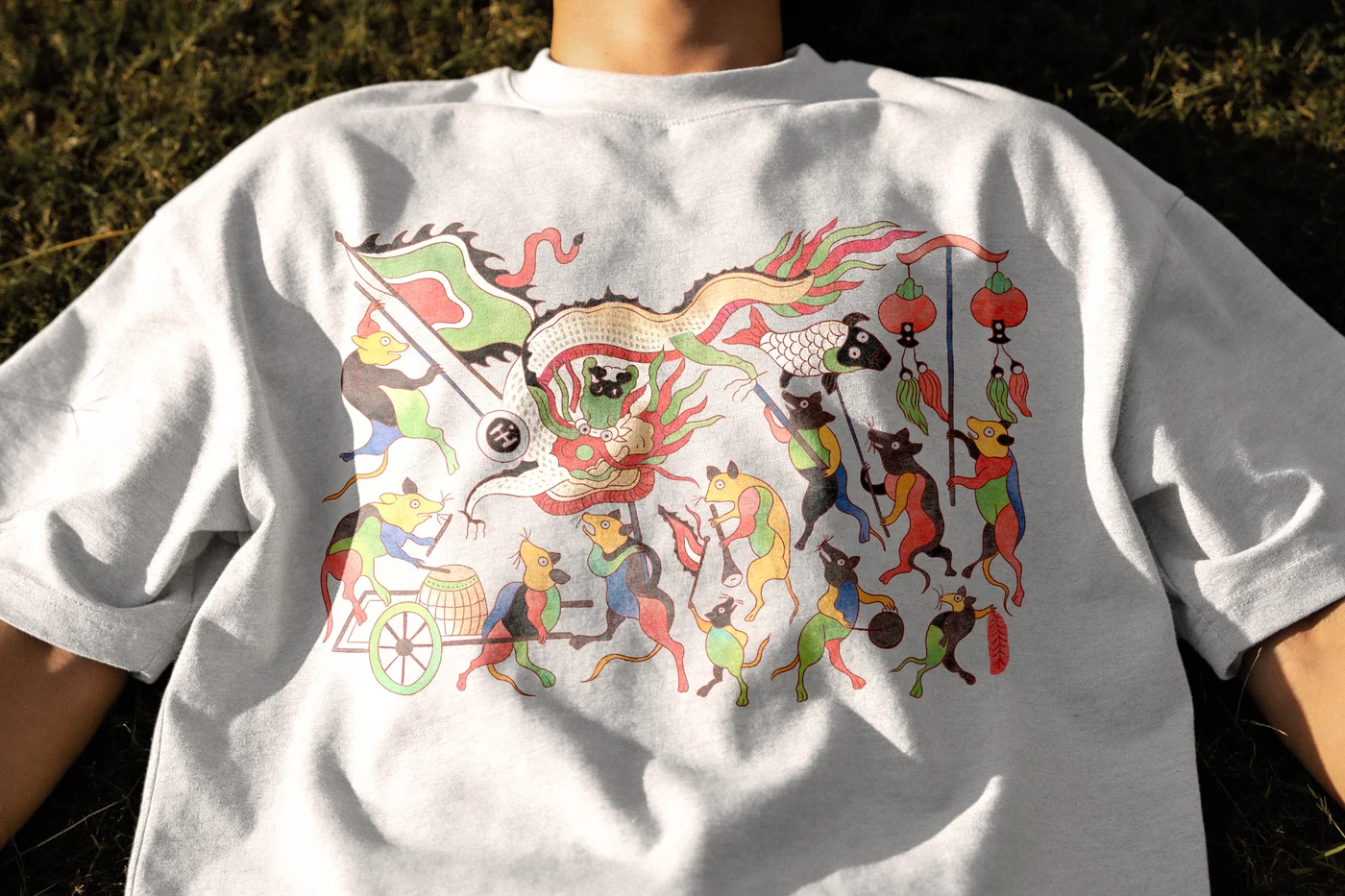
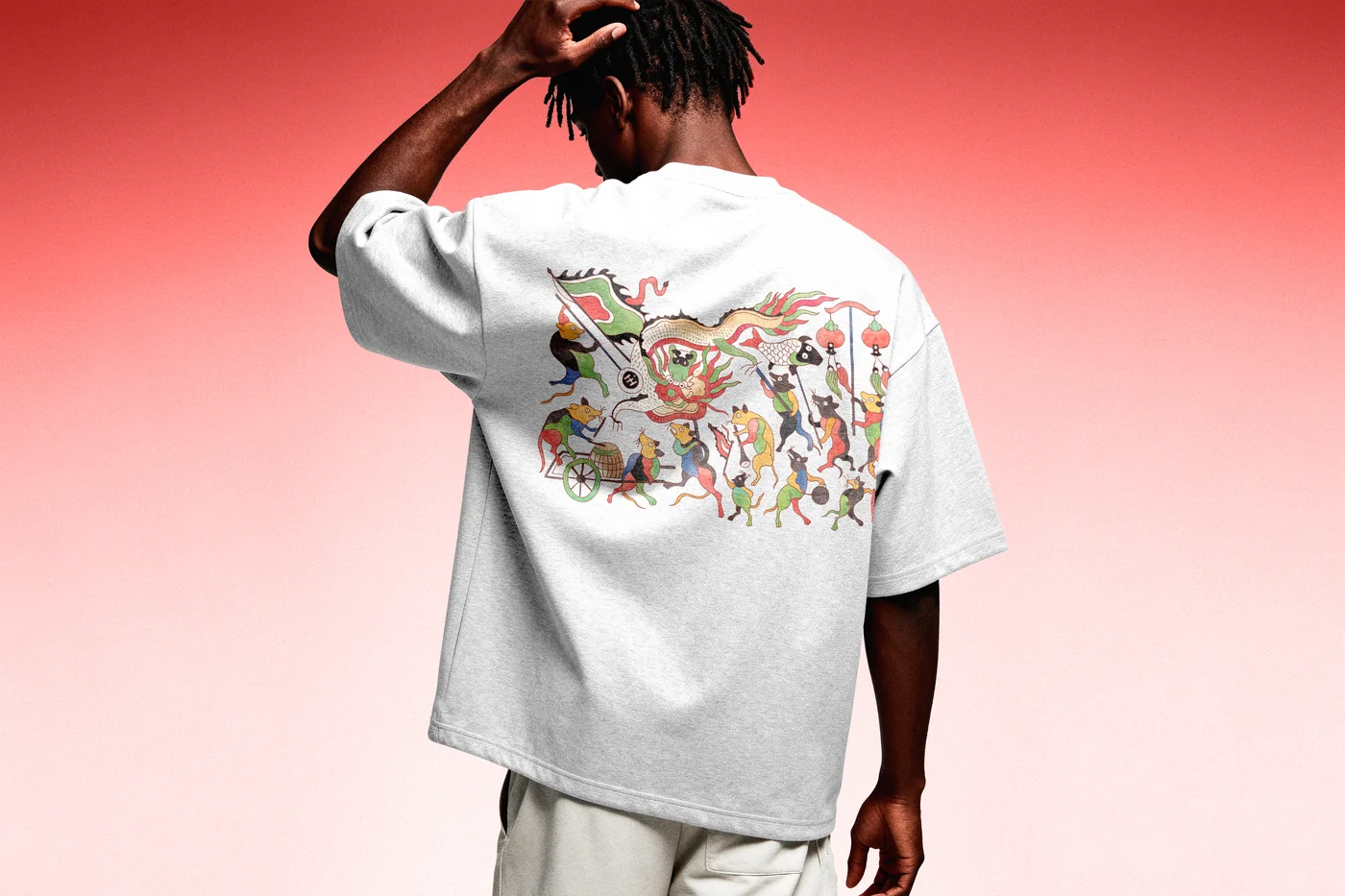
02 / Chuot Mua Rong & Dam Cuoi Chuot (Mice Dragon Procession): Sharp anti-feudal satire. A bustling community of mice parade with lantern carts, horns, and a twisting dragon banner while diplomatically bribing the cat. Carried across the back of our signature 300gsm box-cut tee.
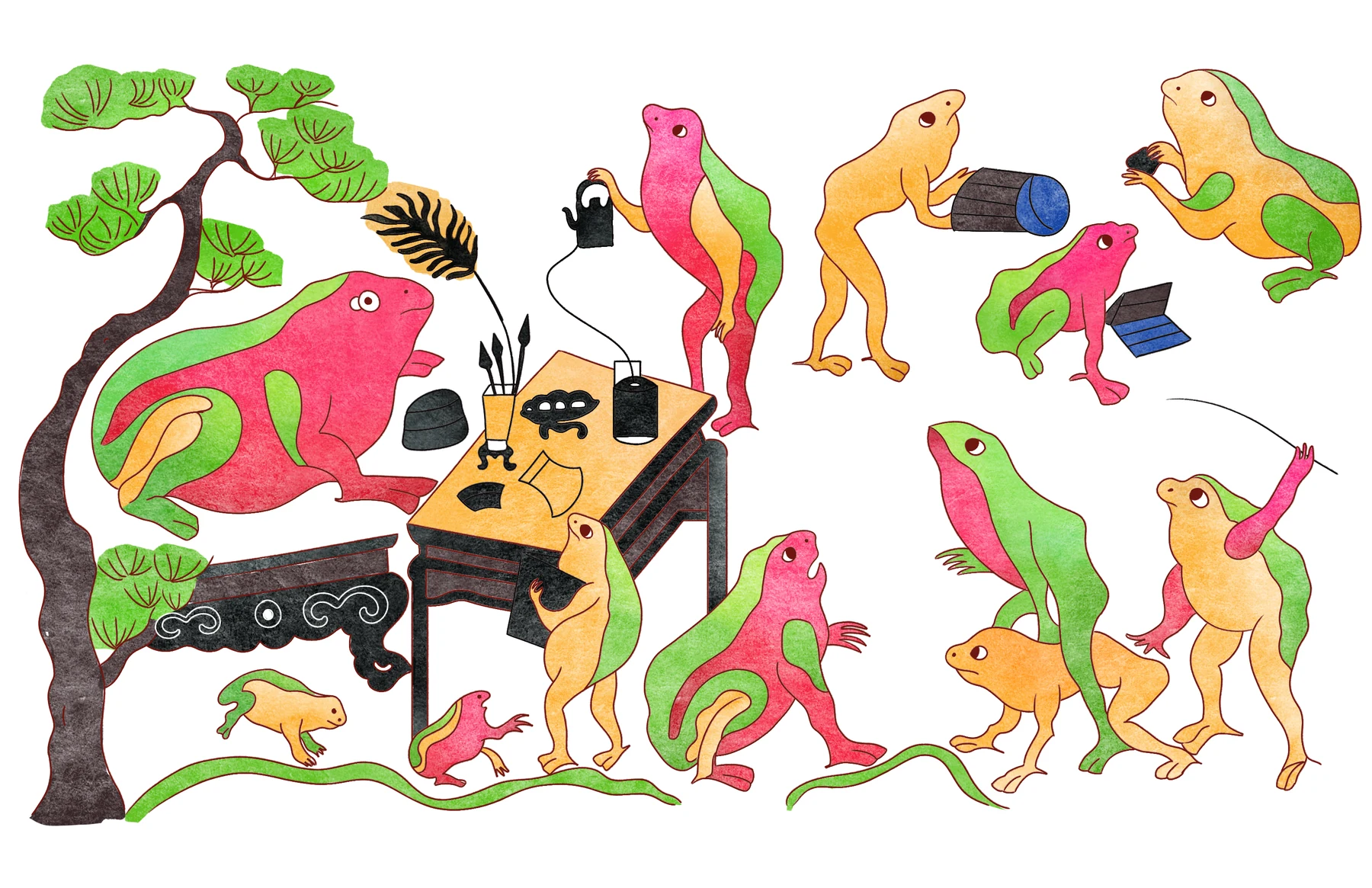
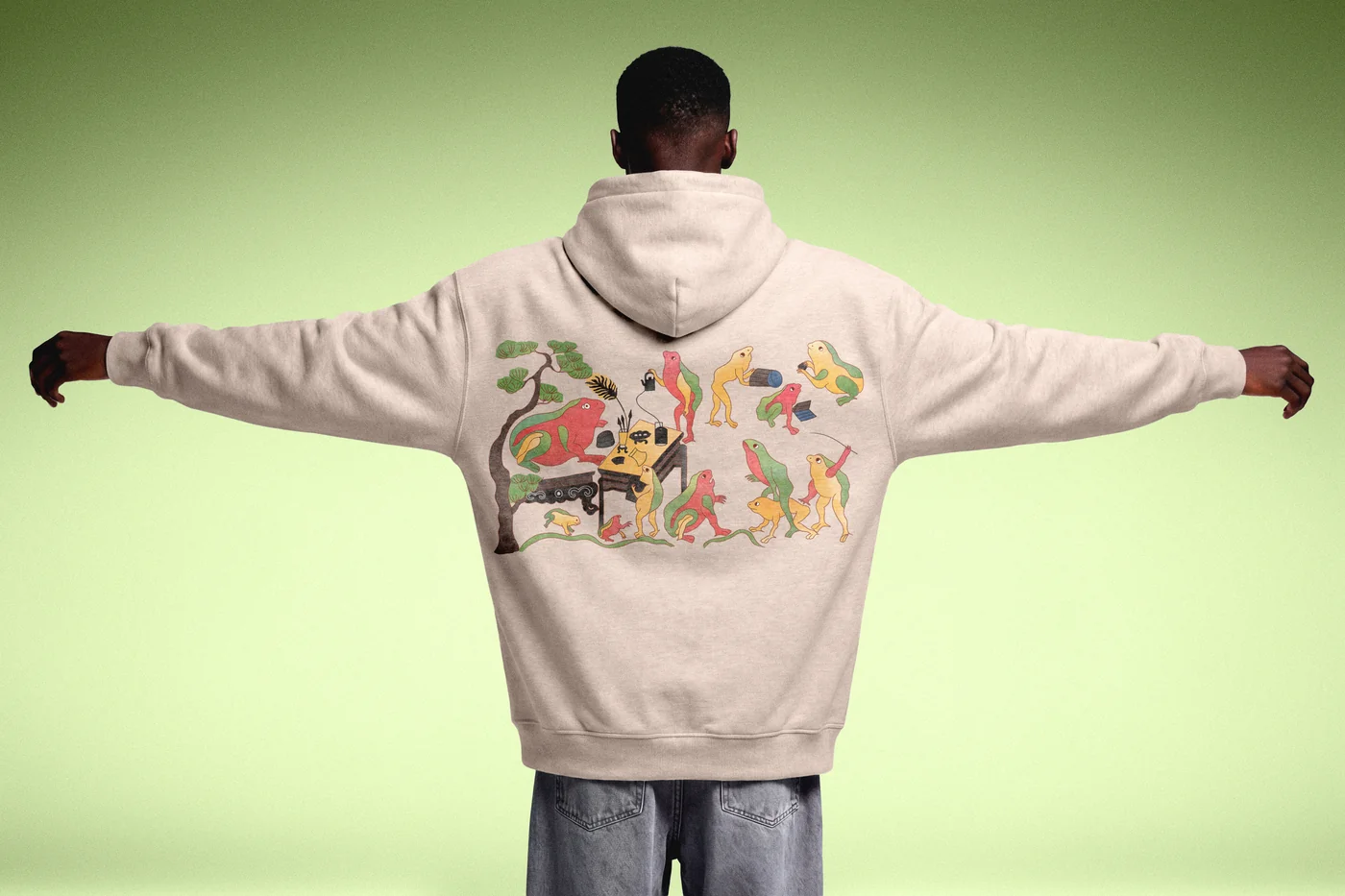
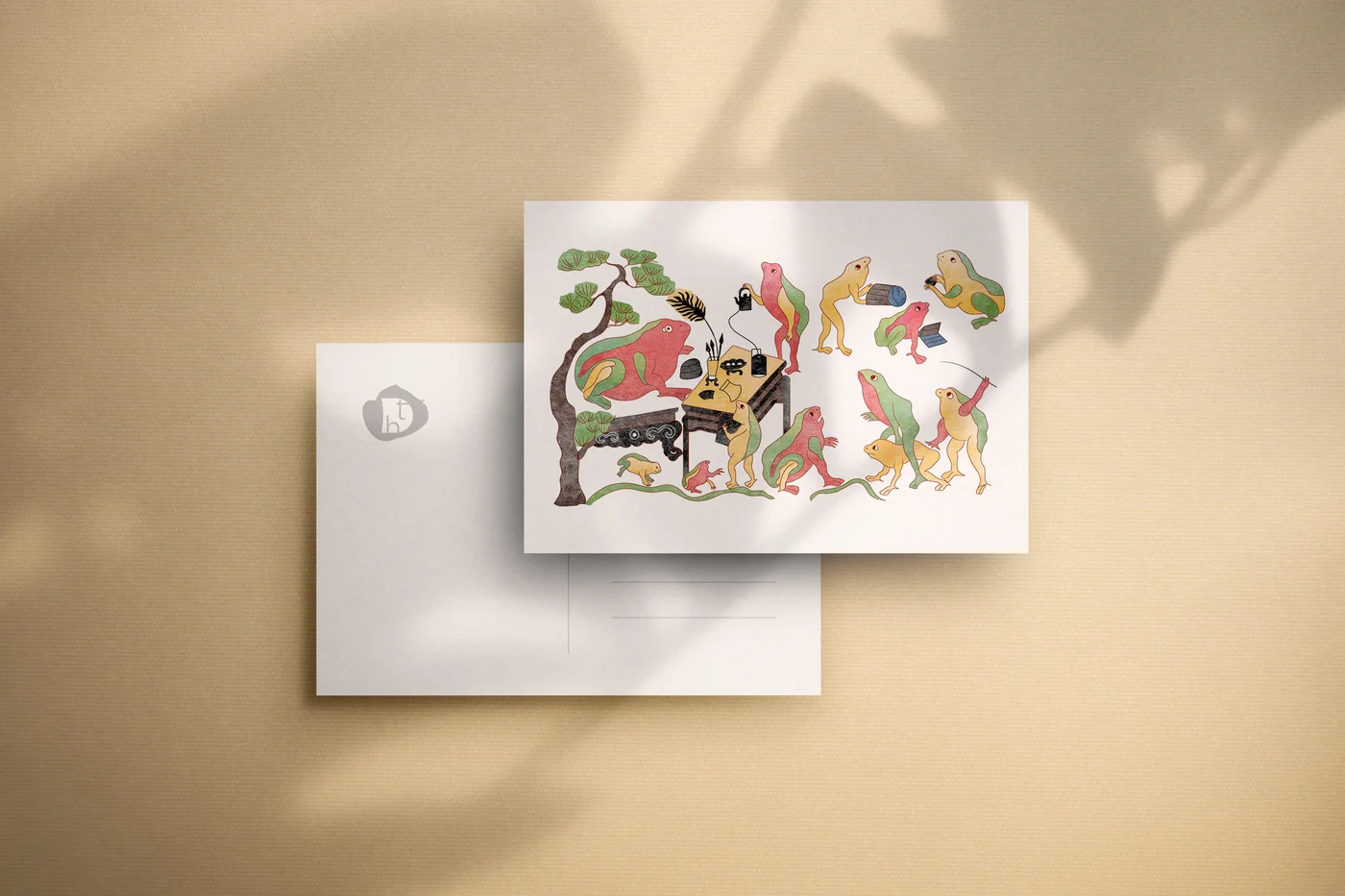
03 / Thay Do Coc (The Frog Scholar): A loving, humorous jab at village Confucian education. Master Toad sits upon a wooden daybed lecturing unruly pupils reciting from scrollbooks. Rendered on deep forest fleece and deckle-edged archival stationery.
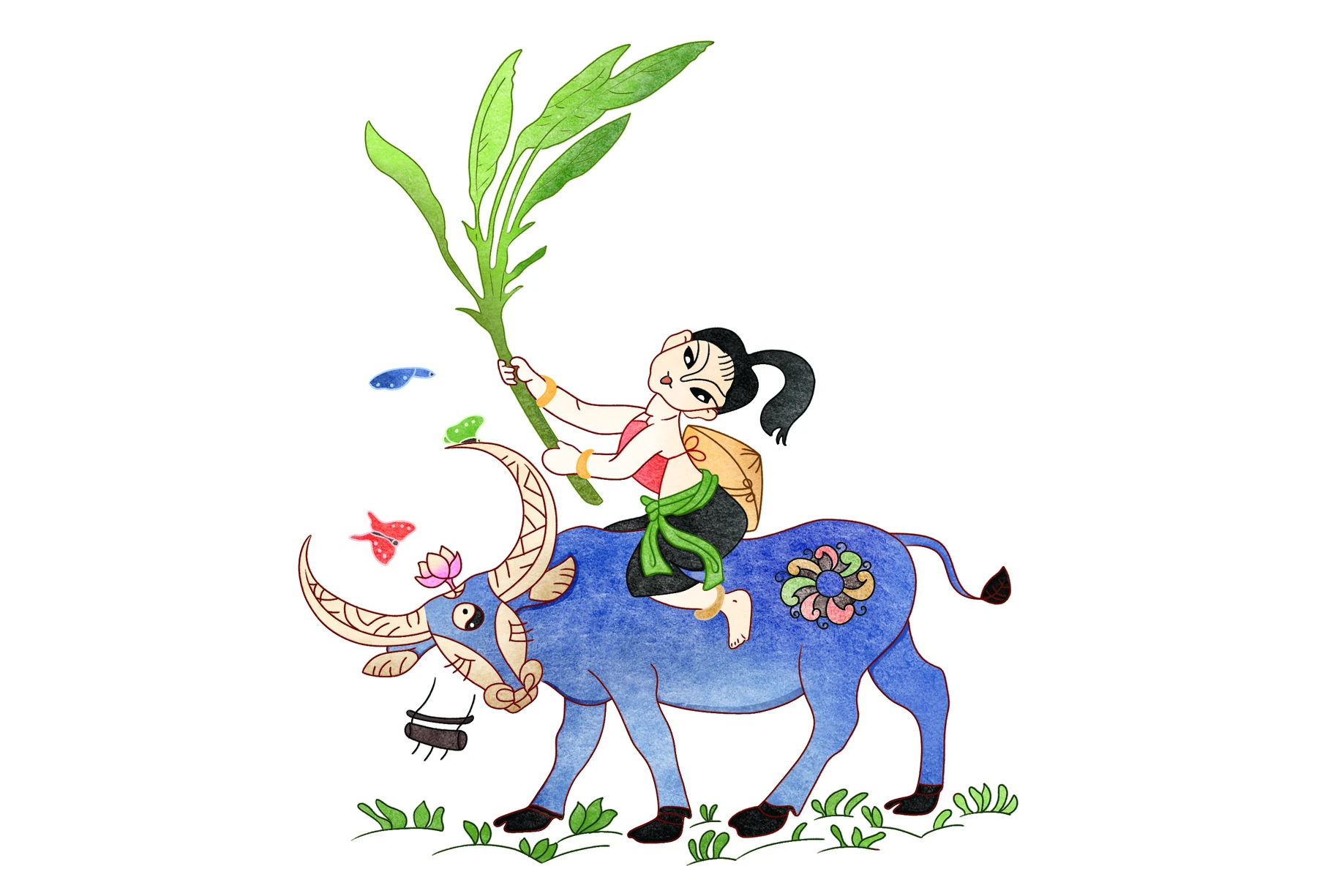
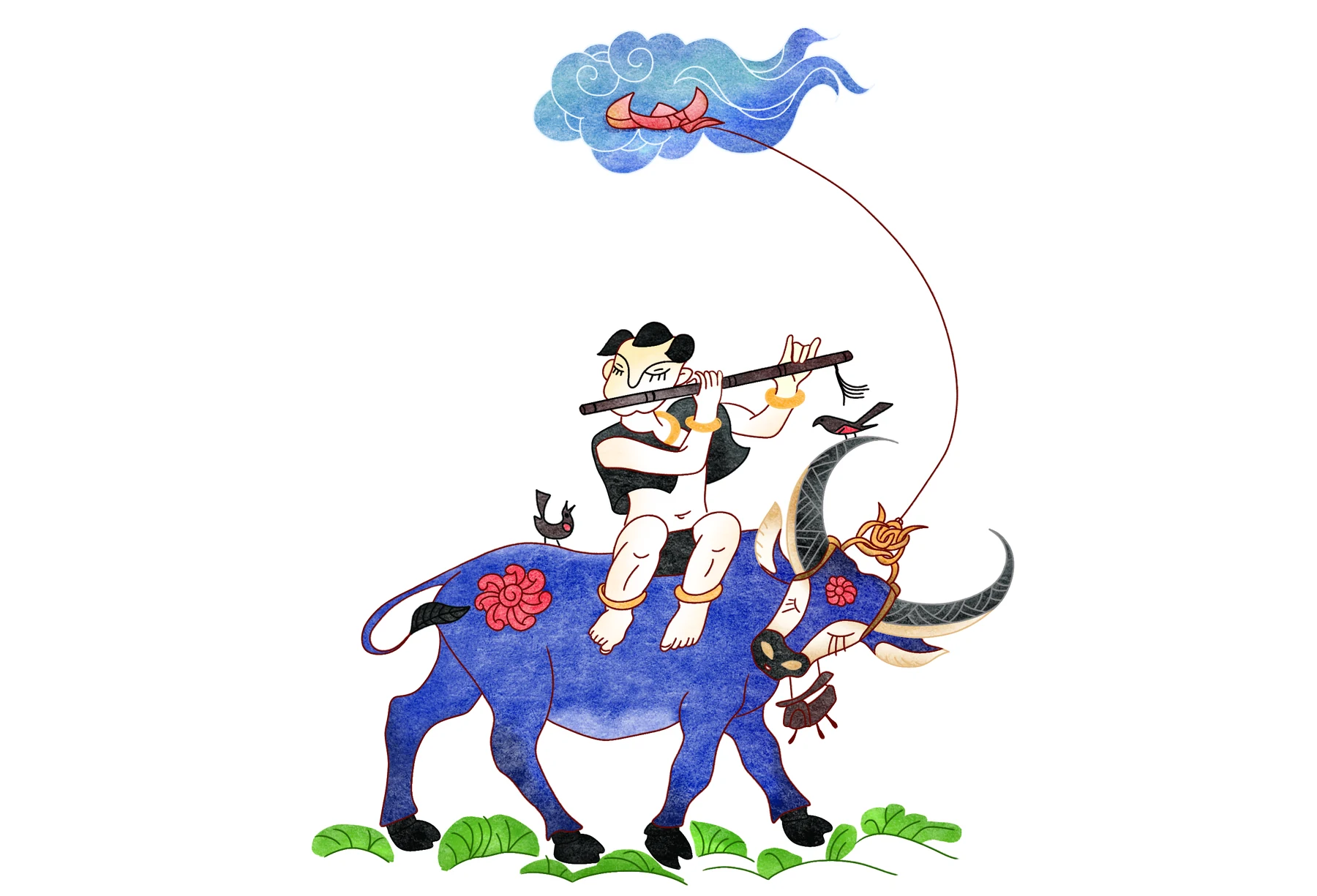
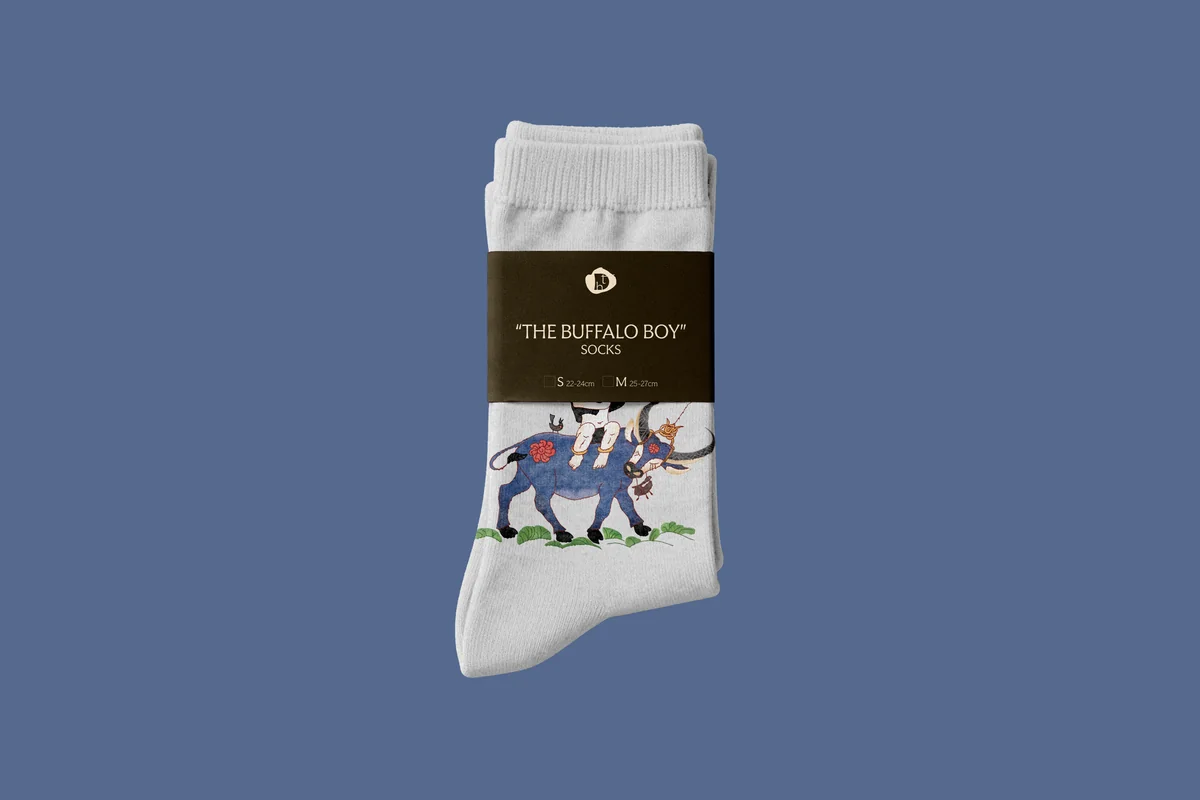
04 / Muc Dong Thoi Tieu (The Buffalo Boy): The timeless image of rural Vietnamese peace. The herd boy lounges atop the blue water buffalo beneath a canopy of lotus leaves, piping his bamboo flute. Built into custom ribbed crew socks with kraft belly-band packaging and embroidered washed caps.
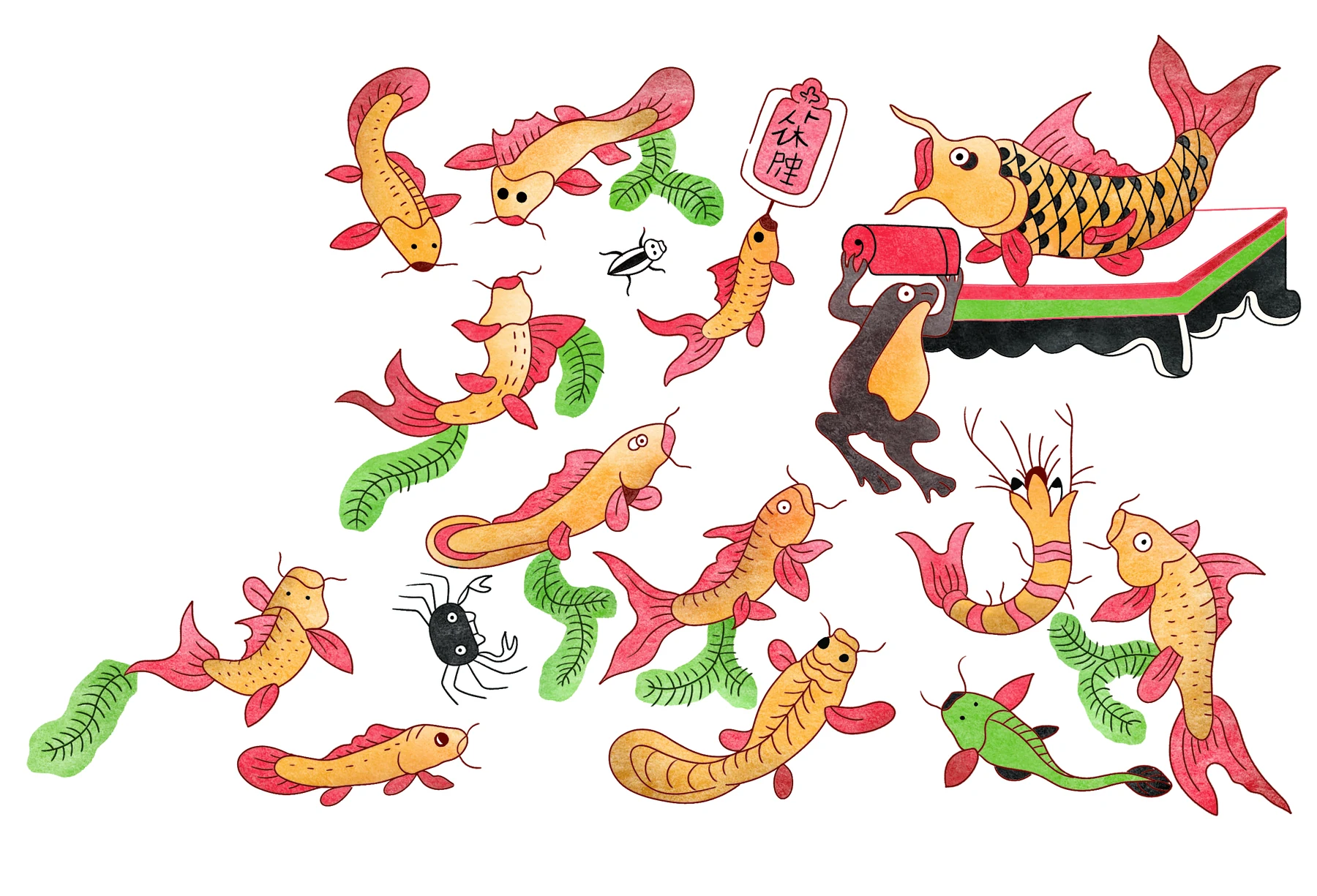
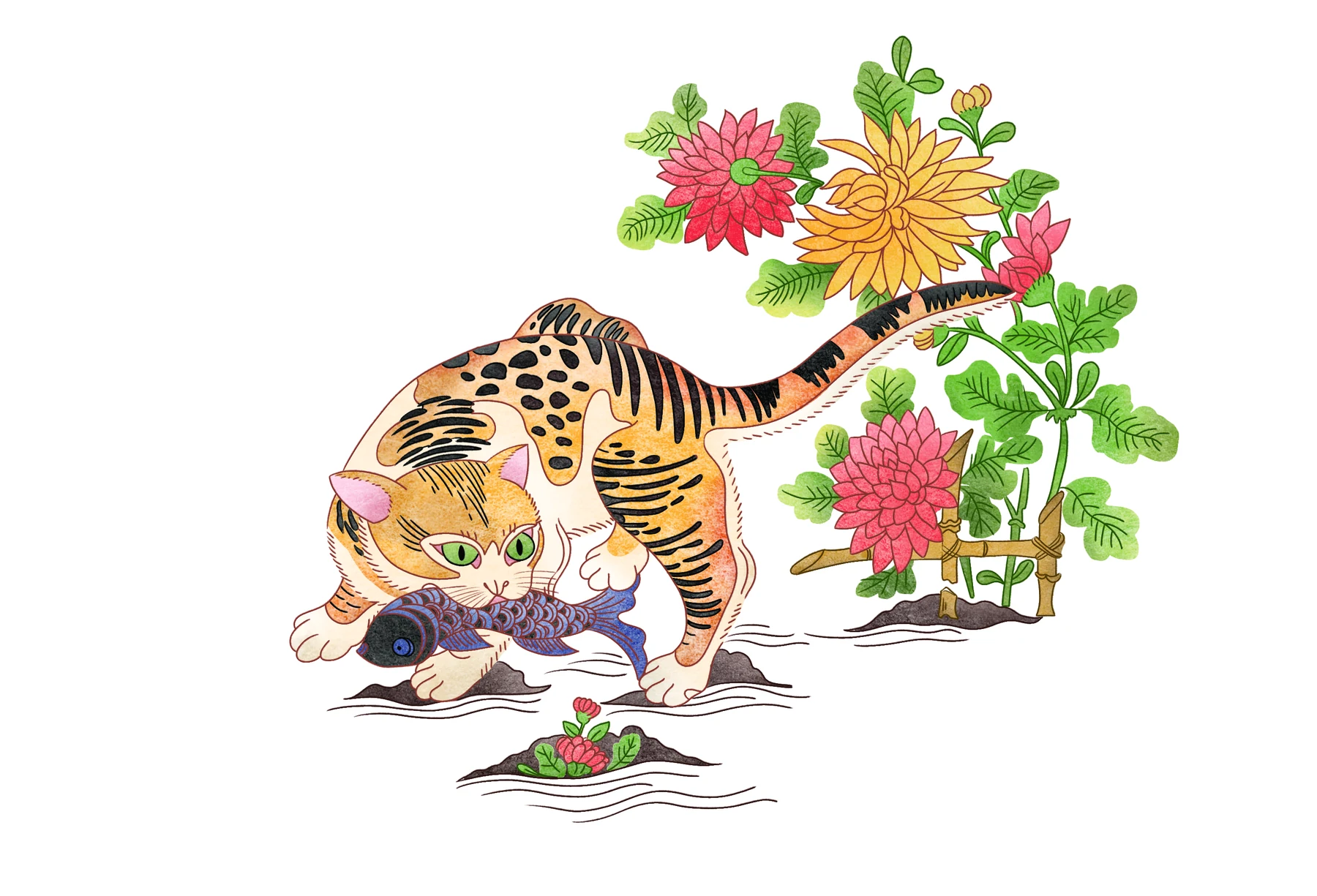
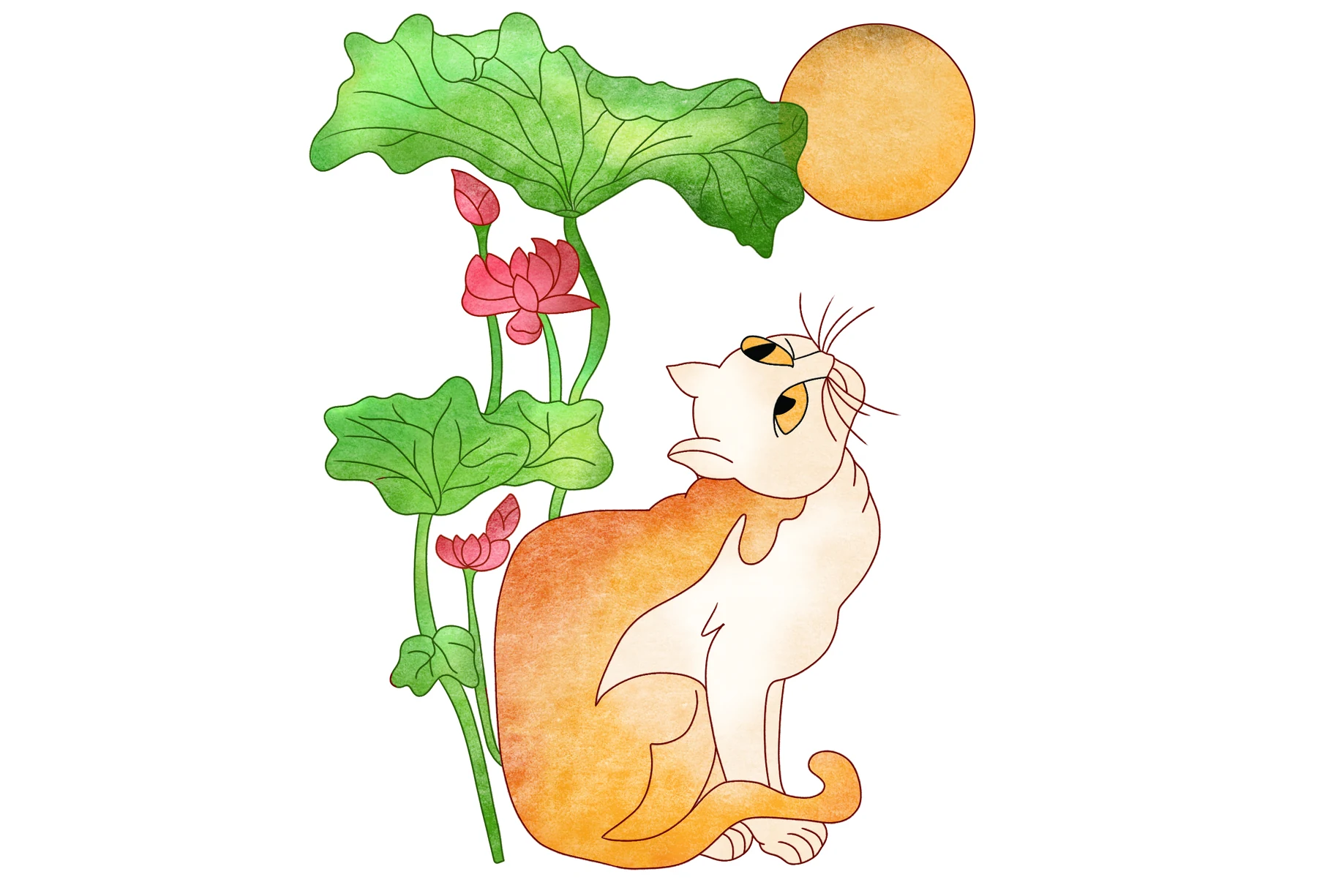
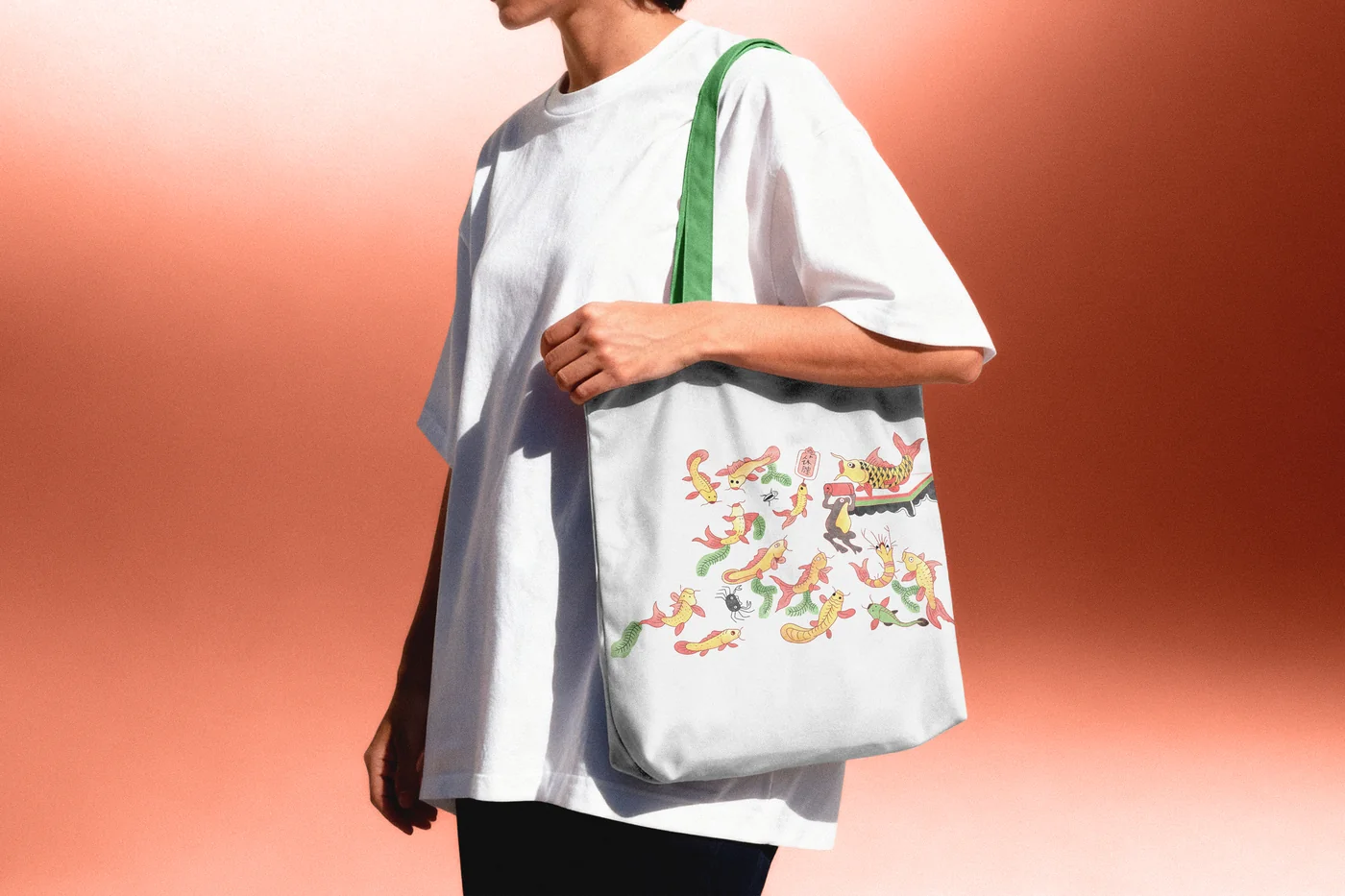
05 / Meo Ngam Trang & Hoc Le (The Contemplative Cat & Aquatic Scholars): Poise and quiet elegance. The ginger cat seated beside lotus flowers under the full autumn moon, paired with schools of carp swimming towards instruction under the banner Hoc Le (Honour first, knowledge second).
Proof that ancient craft can thrive in modern lifestyle commerce without losing its soul.
The Dong Ho Archive demonstrates the core thesis of The Decor Hub: our studio does not view Vietnamese heritage as a museum specimen to mourn, but as a living, electric visual language capable of competing on the streets of Sydney, Tokyo, or New York.
By connecting high-precision vector illustration with heavy-gauge garment engineering and thoughtful product packaging, we built a blueprint for cultural commercialisation. It proves that when you treat ancient artisans with the same production respect accorded to contemporary luxury houses, you don’t need to beg people to support heritage—they queue up to wear it.
Archival Plates
[04 / MASTER WOODCUT RESTORATIONS] 8 FOUNDATIONAL CANONS · DO PAPER EDITIONSRestored from original 16th-century jackfruit woodblocks, printed on scallop-shell do paper.
Every stroke preserves the percussive knife chiselling of master artisan households in Song Ho village, Bac Ninh. Presented uncropped in flat archival format with traditional mineral pigments—burnt bamboo charcoal, verdigris copper rust, gardenia yellow, and cinnabar ochre.